
About South Sudan
South Sudan Safari
The World’s Youngest Nation & Home of the Greatest Mammal Migration on Earth
South Sudan Safari – Discover Untouched Africa.
South Sudan stands proudly as the world's youngest nation, a land still writing its story — a wild, authentic, and wonderfully untouched one. Far from the crowds of mainstream tourism, South Sudan offers something rare in today’s world: a pristine frontier where wildlife, culture, and nature remain largely unchanged for centuries.
At the heart of this natural treasure lies one of Earth’s greatest secrets…
the largest mammal migration on the planet.
The Six Million Tiang Migration — Africa’s Hidden Giant
While Kenya and Tanzania’s Maasai Mara–Serengeti ecosystem is celebrated for its four million wildebeest, South Sudan quietly hosts an even more spectacular movement:
over six million Tiang antelopes, together with Mongalla gazelles, white-eared kob, and other species, creating a wildlife phenomenon unmatched anywhere else in Africa.
This is not just a migration —
it is a moving ocean of life across Boma and Jonglei landscapes, guided by ancient instincts and untouched by mass tourism. Only a handful of people on Earth have ever witnessed it.
And now, through TiangSafaris, you can be one of them.
________________________________________
A Land of Untapped Wildlife & Pure Wilderness
South Sudan is home to some of East Africa’s last remaining wild frontiers South Sudan Safari :
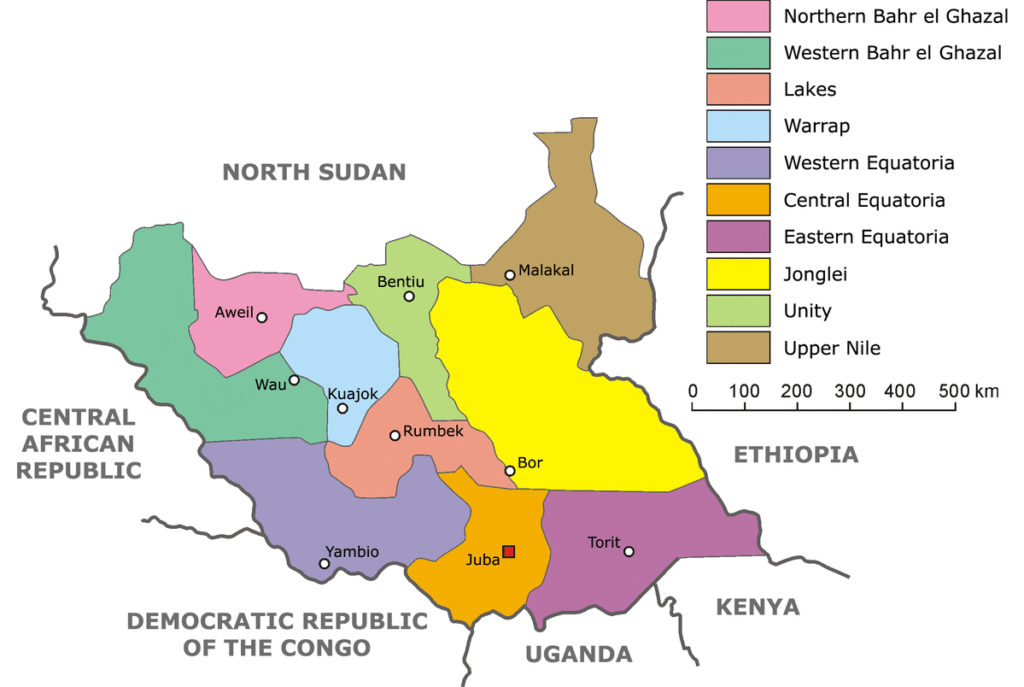
- Boma National Park & Jonglei — cradle of the world’s largest animal migration
- Bandingilo & Southern Parks — vast habitats for lions, leopards, giraffes, buffalo, hartebeest, wild dogs, and more
- River Nile landscapes — rich birdlife and dramatic scenery
- Mundari, Dinka, Toposa & Boya communities — Africa’s most visually striking pastoral cultures
There are no traffic jams, no crowds, no safari congestion—only raw nature and true cultural immersion.
What you need to know
Essential South Sudan travel information
Plan your South Sudan journey with suitable attire for tropical weather (light and warm layers, long sleeves), sun protection (hat, swimwear, sunblock, sunglasses), comfortable walking shoes, a warm-weather sleeping bag, mosquito net, personal hygiene and medical supplies (including a yellow fever vaccination certificate – mandatory – and antimalarial medication – recommended), insect repellent, a large and small backpack, headlamp, personal snacks, and camera gear. Consider optional donations for local communities like medical supplies, tobacco, and beads. Recommended airlines include Egypt, Ethiopian, and Turkish Airlines. Always consult your country’s latest travel advisory for South Sudan.
Key Information:
- Safety: Stay updated on travel advisories.
- Time: GMT+2 year-round.
- Visa: Generally required for all nationalities; apply online with an invitation letter a week prior to travel. Check with your embassy or tour operator for current regulations.
- History: Gained independence in 2011 after a long civil war. Diverse country with over 64 ethnic groups. Experienced further conflict post-independence, with a peace agreement in 2018. Now peaceful with a focus on harmony and remembering the past.
- Capital: Juba.
- Area: 644,329 sq. km.
- Population: Approximately 14.5 million.
- Languages: English (official), Arabic, and over 64 indigenous languages (including Dinka, Nuer, Shilluk, Zande). English is widely spoken in tourist areas.
- Weather: Tropical climate with average temperatures above 25°C, highs exceeding 35°C in the dry season (January-April). Rainy season varies by location, generally April-November, with higher rainfall in the south and west.
- Currency: South Sudanese Pound (SSP). Exchange rates fluctuate; check current rates online.
- International Dialing Code: +211. For international calls from South Sudan, dial 00 followed by the country code (44 for UK, 1 for US) and the local number. Mobile networks include MTN, Digitel, and Zain.
- Food: Quality can vary. Fresh fruit and Sudanese-inspired dishes are often good. Local diet includes sweet potatoes, peas, corn, beans, sorghum, millet, peanut butter, meat, fish, and fruits like mangoes and avocados. Traditional drinks include local beer and siko (date beer).
- Travel: 4WD vehicles with drivers are recommended for travel. Major roads are tarred, but rural roads can be poor.
- Health: Medical facilities are basic outside Juba. Ensure vaccinations for typhoid, tetanus, polio, and diphtheria are up-to-date. Hepatitis A and yellow fever certificates are often recommended or required. Malaria is prevalent; take precautions. Consult your doctor for the latest health advice. HIV infection rates are high; take necessary precautions.
- Tipping: Customary and appreciated. Tip private guides ($25/person/day), drivers ($15/person/trip), rangers ($10/ranger), community guides ($50/group), and hotel/lodge staff ($5/person/day) based on service quality. Be mindful of the local economy; excessive tipping can create imbalances. Tip guides and working teams separately. Use cash (USD in small denominations or SSP). Tip after each activity, daily, or at the end of your stay. Avoid tipping managers generally.
Love for the Land
Deeply connected to South Sudan’s breathtaking landscapes and rich biodiversity.
Cultural Celebration
Dedicated to showcasing the vibrant traditions and diverse cultures of our 64 tribes
Sustainable Tourism
Committed to responsible practices that protect the environment and empower local communities.
Local Expertise
Experienced guides provide authentic insights and stories that enhance every adventure.